


The Difference Between CNC Plasma Cutters and CNC Laser Cutters
When it comes to industrial cutting technologies, CNC plasma cutters and CNC laser cutters stand out for their effectiveness and versatility. Both systems have distinct methods of cutting and are suited to different materials and applications. Understanding the differences between these two processes can help buyers make an informed decision. This post will delve into the cutting methods, materials best suited for each technology, precision levels, speed, cost-effectiveness, and their applications across various industries.
Understanding the Technologies
CNC (Computer Numerical Control) machines use computer programming to control the movement of tools and machinery. Plasma and laser cutting are two of the most prominent methods utilized in CNC cutting. While both technologies perform similar tasks, they achieve results through different means and have varying strengths and weaknesses.
CNC plasma cutting employs a high-velocity jet of ionized gas (plasma) to melt and blow away material. This method is particularly effective for metals that are conducive to electricity. On the other hand, CNC laser cutting uses a high-powered laser beam that focuses light on a small area to melt or vaporize materials such as plastic, wood, and thin metals.
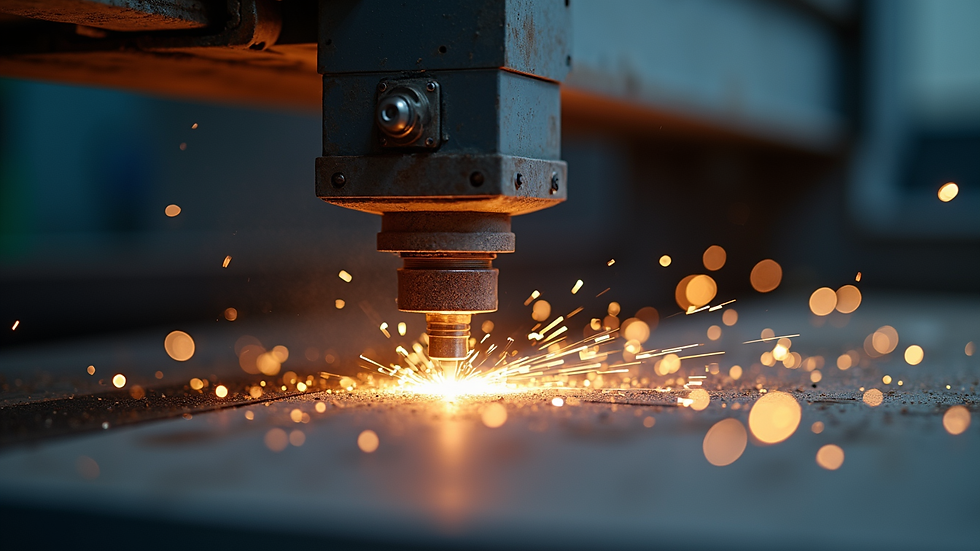
Cutting Methods: Plasma vs Laser
CNC plasma cutters use a plasma torch to cut through materials. The process involves the following steps:
Ionization of Gas: A gas, typically air or another inert gas, is forced through a narrow nozzle and ionized, creating plasma.
Arc Establishment: An electric arc is created between the nozzle and the workpiece, accelerating the plasma.
Material Cutting: The high-speed plasma jet cuts through the material.
CNC laser cutters, in contrast, utilize a focused laser beam. This involves:
Laser Creation: A laser is generated, often from a CO2 gas or fiber.
Beam Focusing: The laser beam is directed and focused through lenses, concentrating energy on a precise point.
Material Interaction: The energy from the laser vaporizes or melts the material directly.
The choice of cutting method largely depends on the specific requirements of the project.
Materials They Are Best Suited For
Understanding which materials each cutting method best accommodates can guide your choice.
CNC plasma cutters excel at working with thicker metals, such as:
Mild steel
Stainless steel
Aluminum
Copper
Typically, plasma cutting works well for materials thicker than 1/8 inch and can cut metals up to several inches thick efficiently.
Conversely, CNC laser cutters shine when it comes to precision and detail in thinner materials, particularly:
Wood
Acrylic
Thin sheet metal (up to 1/2 inch)
Fabric
Lasers offer the ability to cut intricate designs and achieve clean edges, making them ideal for applications requiring high precision.

Precision Levels and Speed
Precision is reflected in the width of the cut and the accuracy of the finished product.
CNC laser cutters generally provide superior precision compared to plasma cutters. Laser cutting can achieve tolerances of ±0.005 inches, allowing for intricate, detailed designs. This precision is particularly crucial when working with sensitive materials or intricate designs.
In terms of speed, CNC plasma cutters have an advantage. They can make rapid cuts, especially in thicker metals. Typical cutting speeds for plasma machines range from 20 to 200 inches per minute. Conversely, laser cutting speeds vary from 10 to 120 inches per minute, depending on material thickness and type.
Cost-Effectiveness
Cost considerations are crucial for many businesses looking to invest in new technology. Costs for CNC machines can vary widely based on their capabilities, size, and manufacturer.
CNC plasma cutters tend to be less expensive than laser cutters. They usually have lower initial purchase prices, making them more accessible for smaller businesses. However, when considering operational costs, plasma cutting can consume more power, resulting in higher energy bills over time.
CNC laser cutters, while more expensive to purchase, may provide a better return on investment in the long run due to the quality of the finished product and lower material wastage. The precision and reduced kerf area help to minimize scrap material, making laser cutting a more efficient option overall.
Applications Across Various Industries
CNC plasma and laser cutters serve diverse industries, and their applications often overlap. Here's how each technology is employed across various sectors:
CNC Plasma Cutter Applications
Metal Fabrication: Plasma cutters are extensively used in metalworking industries for structural shapes and plate fabrication.
Automotive: They are also prominent in automotive manufacturing for cutting components and frames.
Shipbuilding: Metal fabrication for ships often uses plasma for quick and efficient cutting of thick plates.
CNC Laser Cutter Applications
Signage: Laser cutters are ideal for creating detailed signs and engravings, allowing for stunning visuals and precision.
Aerospace: Aerospace components often require precision parts, making laser cutting perfectly suited for this industry.
Fashion Industry: In textile and leather production, CNC laser cutters are primarily used for intricate designs and patterns.
Finding the right machine often comes down to the specific tasks required in your operations.
Best Choices for Specific Tasks
Choosing between CNC plasma and laser cutters can depend on the specific task at hand:
If you're primarily cutting thick metals and require speed, CNC plasma cutters may be better suited for your needs.
If your projects demand intricate designs and high precision, CNC laser cutters will likely serve you better.
For businesses that require a versatile tool capable of handling a range of materials and thicknesses, a combination of both technologies may provide the best solution.

Making the Right Decision for Your Needs
Ultimately, when it comes down to CNC plasma cutters vs. CNC laser cutters, the decision is shaped by various factors such as material type, required precision, speed, and budget constraints. Companies should evaluate their specific needs, considering both the short-term and long-term implications of their choice.
As technology continues to evolve, both CNC plasma and laser cutters are becoming more capable, and understanding their differences can greatly improve operational efficiency.
In conclusion, whether you opt for CNC plasma cutting or CNC laser cutting, being informed about the strengths and limitations of each technology will lead to better productivity and ultimately, profitability for your business.


Comments